Blog
F UP YOUR CULTURE
By Laurel Nelson
September 28, 2023
Ask a salon owner to name the most important aspect of their business and more often than not, you’ll hear “culture” in their answer.
But push that same owner to elaborate and you may be met with crickets.
“Culture is hard to nail down,” says Kevin Perryman, director of engagement at four Paris Parker salons in the New Orleans and Baton Rouge area. “It’s a sense of belonging to like-minded people and working toward a common goal.”
CREATING CULTURE CONTENT
In June, Neill Quality College (NQC) relaunched with fresh content to help owners re-energize and revitalize their salons. Recognizing the need to address salon culture, Neill created a culture segment based on the Four Fs: Fulfillment, Financial Freedom, Flexibility and Fun.
Perryman and Garrison Neill, vice president of Paris Parker salons, shared how Paris Parker has followed this framework to make culture more tangible in their 11 locations.
“First, owners should develop their salon values,” says Perryman.
“What’s your mantra? How do you want to show up in the community? Once you’ve created values, create the actions that stand behind them.”
1. FULFILLMENT
At the beginning of the fiscal year in July, Garrison Neill meets individually with each of Paris Parker’s 150 service providers for a “full potential” planning meeting.
“This is where we talk about goals for the year, asking stylists what makes them feel fulfilled,” says Perryman. “We discuss personal values and what’s important in their lives at the moment.”
The fulfillment meetings also include questions like the ones below that help Neill and Perryman coach individuals to their own personal success so they can contribute to the company as a whole.
- What’s the quality of your relationships?
- What are energy givers for you?
- What are energy drainers?
- If you could describe your theme for the next 12 months, what would that look like?
- What are your non revenue goals?
- What’s your vision?
“We’ve been coaching to sales for many years,” Perryman says. “We know sales equals success, but our culture is not based on sales, our culture is based on our individuals feeling fulfilled.”
The fulfillment meeting sets the tone for the year as each service provider takes a deep dive into what makes them fulfilled and sets goals around it.
“Those goals ultimately lead to making more money because we break down why money is important to them,” Perryman says.
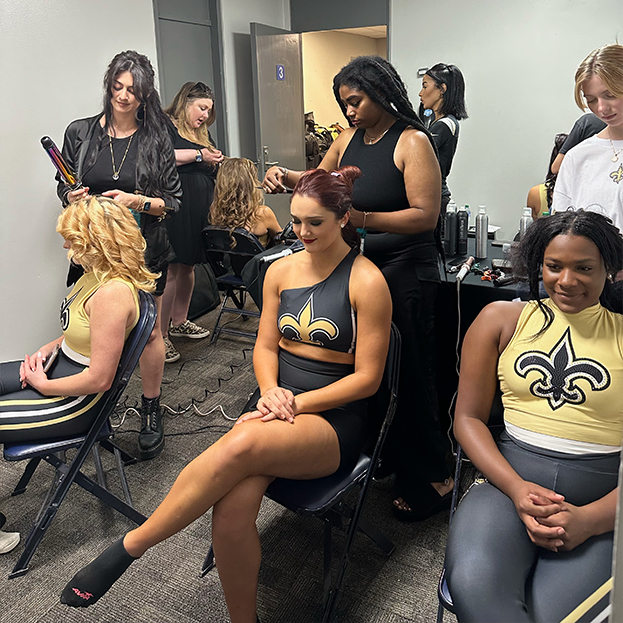
Source: Paris Parker Salons
2. FINANCIAL FREEDOM
This brings us to the second “F” in NQC’s culture segment: finances.
Paris Parker team leaders know one thing for sure: Stylists aren’t motivated working day to day when they have no real understanding of their paycheck.
“But it is motivating to be only working your desired schedule, saving money and having a budget,” he says. “It’s fun to put together the puzzle pieces and see how much money someone can make in only four days if that’s what they want, or work with younger team members on creating a budget so they can see how they can achieve their desired lifestyles.”
Helping each team member understand and meet their financial goals is gratifying for management and a relief for stylists.
“We start with where they are and put together a road map to get them where they want to be,” Perryman says. “We ask them to commit to the hard work for a year and really go for it.”
But the goals Neill and Perryman set are also realistic so nobody feels overworked, but they still see results.
“Then we touch base with meetings every three months to see how it’s going,” Perryman says. “If we need to make adjustments, we do. These meetings are more financially driven than the original big-picture meeting, but it’s still focused on fulfillment.”
To make the financial aspect fun, Paris Parker has a Money Momentum play card, aka the Mo Mo card. It’s similar to an Excel chart, but prettier, like a postcard.
“It has the individual’s average appointment count per week with a column of results and a column of new goals,” he says. “It also has the stylist’s average service ticket with results and goals.”
Each stylist gets a Mo Mo card at their quarterly meeting to help them feel successful with small wins and give them something to work on the next quarter.
3. FLEXIBILITY
Nothing empowers employees like flexibility over their own schedules.
A key part of Paris Parker’s culture is the conversations between management and employees to create schedules everyone is happy with.
“It gives our staff a sense of ownership rather than feeling like they’re being dictated to— we can both get what we want,” Perryman says. “And conversations around flexibility are much easier when your culture is healthy because we’ve established trust around finances.”
He adds, “Let’s say someone refuses to work Saturdays, but that doesn’t work for the salon’s goals. We can work out a scenario where we may ask them to work one Saturday a month and give them a half day on Tuesdays.”
Perryman says it’s important for the manager and team member to make the decision together.
“We know someone who won’t negotiate with us isn’t a right fit for our culture,” he says.
Flexibility also extends to other areas of Paris Parker, including the music they play in the salon and wardrobe.
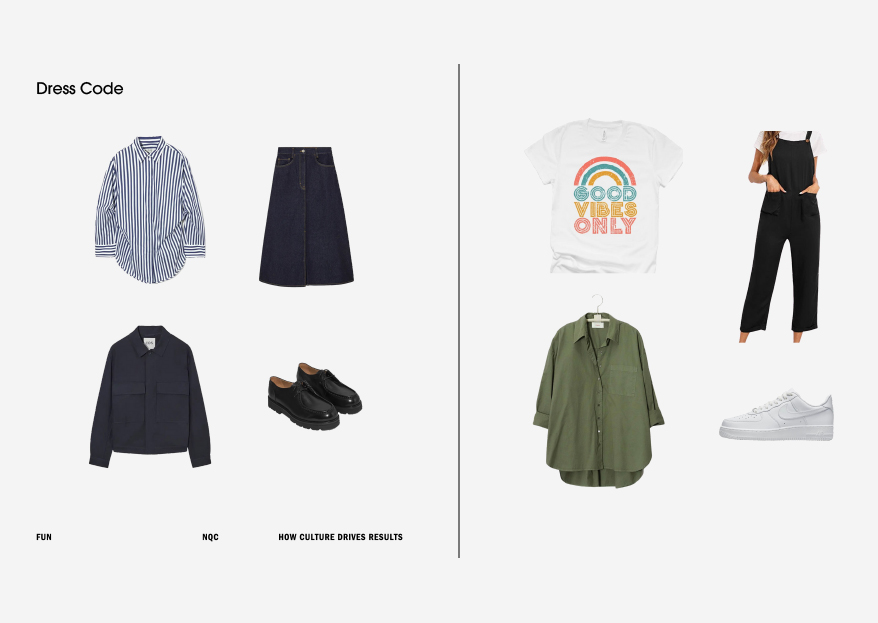
“Each of our individual salons has its own culture in addition to our overlying Paris Parker culture,” he says. “Our downtown location really wanted to look sleek and present themselves as fashion forward, but still comfortable.”
The team sat down together with a mood board and color palette to collaborate with guidance from management, landing on a dress code everyone was happy with.
Source: Paris Parker Salons
4. FUN
“Our industry is a creative environment,” says Perryman. “We should be having fun—it’s why we chose beauty.
“In cultures that aren’t thriving, teams aren’t having fun.”
At Paris Parker, each location has its own favorite way to have fun.
“We have one team that loves doing photo shoots, so we have a studio where they can shoot,” Perryman says. “We also work with the Saints cheerleaders and go to games. Some team members love doing that.”
And team leaders create fun in a variety of ways: Taking stylists to a nice restaurant for a luxury experience, indulging in pizza Friday, or playing throwback hip hop music in the salon all day, to name a few. Each location also celebrates work anniversaries, birthdays, and personal and professional achievements every month.
“We do anything that takes them by surprise and sparks fun moments,” says Perryman. “It’s all about being acknowledged and making your culture come alive.”
Want to attend the next Neill Quality College for a road map to your salon’s success? Click here to learn more.
SEARCH
CATEGORIES
Culture & LeadershipEducation
Marketing
More Guests
More Profits
More Staff
Opening a Salon
Technology
RECENT
8 Bold Ways to Fuel Modern Salon GrowthProfessional Growth for Hairstylists: The Women Behind My Career7 Stunning Mother’s Day Gifts to Melt Her HeartProfessional Hair Education: 5 Secrets to Master Your CraftAveda Color: Mastering the New Full Spectrum Demi+ TonersGet the “Cool-Girl” Look: New Aveda Tousle Texture SecretRaw Volume Neill Collection: Stunning New 2026 Trends You’ll Love7 Secrets to a Profitable Salon Brand PartnershipMORE FROM THE BLOG
8 Bold Ways to Fuel Modern Salon Growth
Discover Empower 8, a holistic framework by Aveda designed to drive salon growth, maximize hair in chairs, and build sustainable retail success.
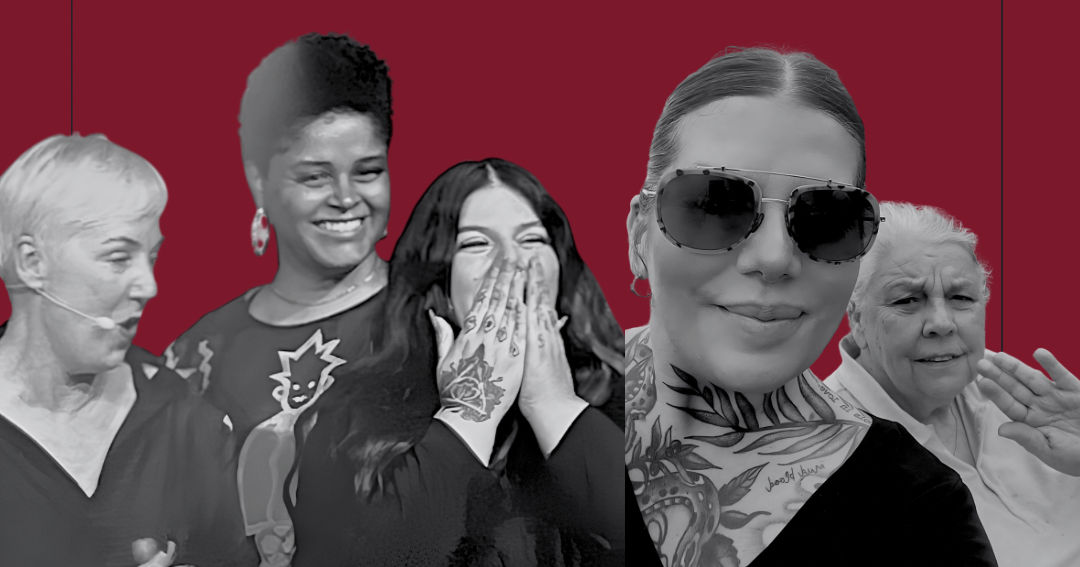
Professional Growth for Hairstylists: The Women Behind My Career
Real professional growth for hairstylists is a team effort. Brandie Devillier shares the raw, emotional story of the women and mentors who shaped her career.

7 Stunning Mother’s Day Gifts to Melt Her Heart
Celebrate her with our curated Mother’s Day edit. Explore professional Aveda styling duos, spa-at-home rituals, and thoughtful gifts that don’t cost a cent.

Professional Hair Education: 5 Secrets to Master Your Craft
Master your craft with professional hair education. Explore Neill’s 2026 workshops in color and cutting. Only 1 spot left for Allen Ruiz—register before they fill up!